Stay up to date with the latest news
Subscribe to our telegram channel

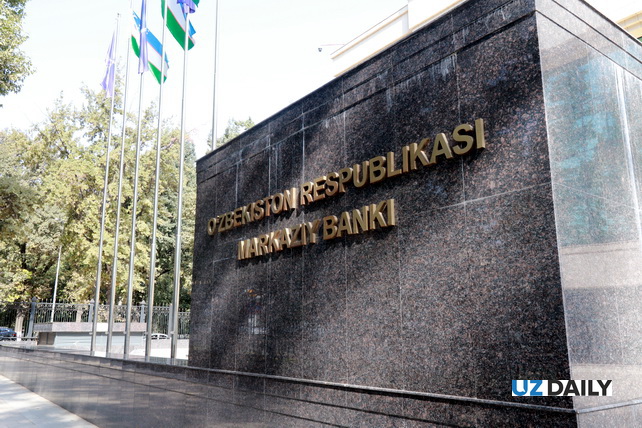
Over 10 Banks in Uzbekistan Prepare for Islamic Finance
Tashkent, Uzbekistan (UzDaily.com) — More than ten banks in Uzbekistan are preparing to introduce Islamic finance, Central Bank Chairman Timur Ishmetov announced.
On 25 March, President Shavkat Mirziyoyev reviewed a presentation on the launch of Sharia-compliant products within the banking system.
The project envisages the use of financial instruments such as murabaha (deferred payment for goods), mudaraba (profit-sharing), wakala (agency agreements), salam (advance payment for goods), musharaka (joint financing), Islamic leasing, and other forms compliant with national legislation.
Certain operations will receive tax benefits: margins on goods will be exempt from VAT, income from investment deposits will be tax-free, and Islamic lease agreements will be treated as financial leasing.
To regulate the sector, a Council on Islamic Finance will be established under the Central Bank, and similar structures will be created in commercial banks. These bodies will develop standards, draft regulations, and monitor compliance with Sharia principles.
The first “Islamic window” in a commercial bank is planned to open in 2026, with two specialized Islamic banks scheduled to launch between 2026 and 2030. The initiative is expected to attract around US$1 billion in investments and deposits.
Ishmetov noted that the regulator is preparing subordinate regulations and strengthening human capital through training and certification of specialists in the new field. The Central Bank has become a full member of two international organizations for accounting, auditing, and banking supervision in Islamic finance.
Following the law’s enactment, Islamic finance products will be gradually launched both in specialized banks and through Islamic windows in traditional banks. More than ten banks have already begun preparations to operate under the new standards.
The Islamic Banking Law, approved by the Senate on February 5, governs licensing, permissible Sharia-compliant operations, and taxation specifics, while the Central Bank will oversee the Council on Islamic Finance.