Stay up to date with the latest news
Subscribe to our telegram channel

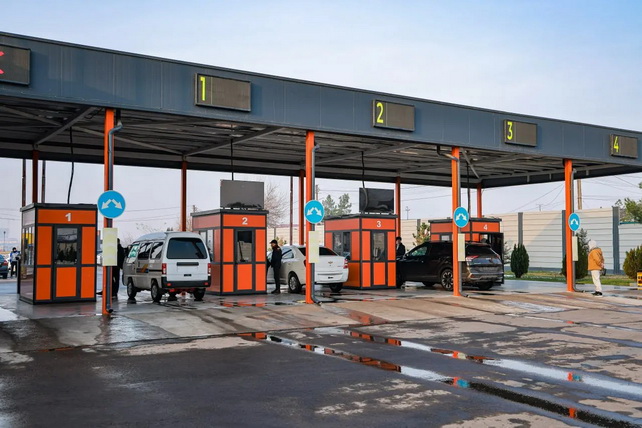
Mechanisms for Implementing the “Environmental Transport” System Explained to the Public
Tashkent, Uzbekistan (UzDaily.com) — On 19 December, a press tour was held at the Fayzabad Vehicle Diagnostic Inspection Center to explain the introduction of the “Environmental Transport” system, envisaged by Resolution No. 750 of the Cabinet of Ministers of the Republic of Uzbekistan dated 28 November 2025.
The event was attended by representatives of relevant ministries and agencies, civil society institutions, including non-governmental non-profit organizations, political parties, and citizens’ self-governing bodies, as well as representatives of the mass media.
It was noted that Uzbekistan is systematically implementing measures aimed at environmental protection and reducing atmospheric air pollution.
At the same time, pollution levels in a number of populated areas remain high.
An extremely dry autumn this year, the reduction of water resources, as well as emissions from industrial enterprises and motor vehicles have led to a deterioration of the environmental situation, including in Tashkent, which negatively affects public health, socio-economic development, and the country’s international image.
According to medical statistics, amid air pollution the country has seen an increase in respiratory diseases, allergic conditions, and bronchial asthma.
In 2024, 11,034.8 cases of respiratory and allergic diseases were registered per 100,000 population, of which 13,646.4 cases were recorded among children.
In order to reduce the negative impact on the environment and public health, the government has decided to introduce the “Environmental Transport” system in stages.
The system will be implemented in three phases: in 2025–2027 in the city of Tashkent; in 2028–2030 in the city of Nukus and the administrative centers of the regions; and in 2031–2034 in all other regions of the country.
The system provides for the free issuance of environmental stickers to motor vehicles based on a voluntary electronic application by the owner, as well as during the registration and re-registration of vehicles, based on the results of the first free diagnostic inspection.
Depending on their environmental performance, vehicles will be classified as “clean,” “moderate,” or “polluting,” indicated by green, yellow, and red colors respectively.
Owners of vehicles classified as “moderate” or “polluting” will be able, once a year on a voluntary basis, to undergo a repeat diagnostic inspection free of charge in order to improve the environmental category and obtain a new sticker.
The boundaries of environmental zones will be determined by local Councils of People’s Deputies on the basis of proposals from the Committee for Ecology.
Within such zones, the movement of “moderate” and “polluting” category vehicles without environmental stickers will be restricted.
At the same time, appropriate exemptions are предусмотрed for citizens residing or working in environmental zones, as well as for individuals who have made compensation payments in accordance with the established procedure.
As part of the system’s implementation, experimental diagnostic activities are planned at the Fayzabad Vehicle Diagnostic Inspection Center.
It was emphasized that the phased introduction of the “Environmental Transport” system through 2034 will help align vehicle production and operation with international standards, facilitate the transition to higher-quality fuels, enhance the environmental sustainability of populated areas, and strengthen Uzbekistan’s international image.