Stay up to date with the latest news
Subscribe to our telegram channel

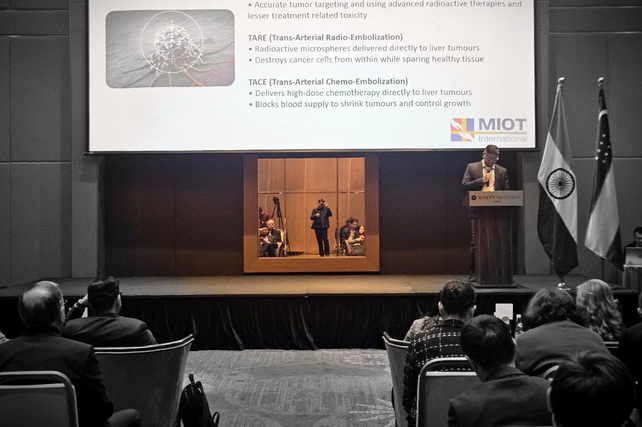
Indian Clinics Showcase High-Tech Medical Services in Uzbekistan
Tashkent, Uzbekistan (UzDaily.com) — On 12 December, a conference on medical tourism in India was held in Tashkent, organized by the Embassy of India in Uzbekistan.
The event brought together representatives from leading Indian medical institutions, including Yashoda Medicity, Max Healthcare, MIOT International, Manipal Hospitals, Apollo Hospitals, Artemis Hospital, Fortis Memorial Research Institute, and others. They presented a wide range of high-tech services, including cancer treatment, organ transplantation, and other complex medical procedures.
The conference focused on the accessibility, transparency, and high quality of the Indian healthcare system. The opening remarks were delivered by the Ambassador of India to Uzbekistan, Smita Pant, who emphasized that effective healthcare should be affordable and accessible to all. “In a world where healthcare is not accessible to everyone, it must be considered a service to humanity, not merely a corporate enterprise,” she said.
Ambassador Pant highlighted India’s highly qualified medical workforce, noting that the country has approximately 1.4 million doctors, and over 1,200 hospitals are internationally accredited by JCI or NABH, confirming compliance with global standards.
Patients have access to specialties such as cardiac surgery, orthopedic surgery, organ transplantation, oncology, as well as wellness programs including Ayurveda, yoga, and naturopathy, with costs significantly lower than in Western countries.
A key topic of discussion was cooperation between Indian medical institutions and Uzbekistan. The ambassador noted the participation of Indian specialists in free outpatient consultations in cardiology, oncology, and neurology conducted in Uzbek hospitals, as well as educational conferences for local doctors.
Successful examples of collaboration include proton therapy, liver transplantation at the National Medical Center in Tashkent, and annual training of Uzbek specialists in oncological surgery, orthopedics, and radiation therapy.
“Human life should be approached with compassion. Every life matters, and the Indian healthcare system is guided by this principle,” Ambassador Pant emphasized.
She also assured that the Embassy of India will continue to facilitate smooth patient transfers between the countries, noting that visa issues will never be a barrier to receiving medical care. Plans also include organizing new mobile medical camps, marking another step in strengthening strategic partnership between the peoples of India and Uzbekistan.
Continued collaboration in medical tourism between the two countries will help improve access to high-quality healthcare services for the citizens of Uzbekistan.