Stay up to date with the latest news
Subscribe to our telegram channel

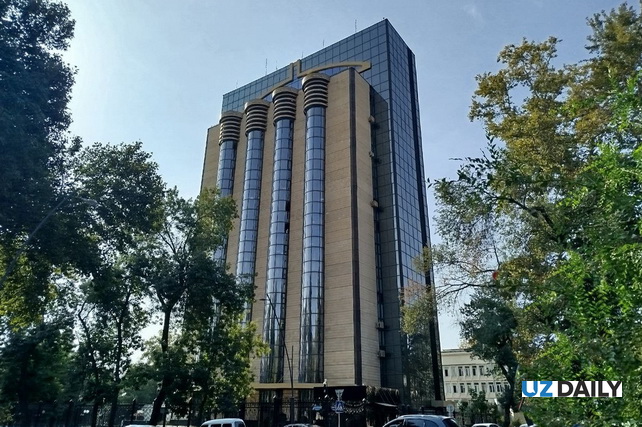
FSAP: Uzbekistan Recommended to Strengthen Central Bank Independence
Tashkent, Uzbekistan (UzDaily.com) — Uzbekistan’s financial sector has received its first-ever comprehensive assessment under the Financial Sector Assessment Program (FSAP), conducted jointly by the International Monetary Fund (IMF) and the World Bank.
The report, covering the period 2024–2025, confirmed the country’s significant progress in reforming banking and financial supervision, while also identifying areas requiring further strengthening, including the independence of the Central Bank (CBU) and consolidated supervision.
Within the FSAP framework, Uzbekistan’s banking regulatory and supervisory system was evaluated against the 29 core principles of the Basel Committee on Banking Supervision. The results demonstrated substantial progress.
Of the 29 principles, four were assessed as fully “compliant,” and sixteen were deemed “largely compliant.” The remaining principles fell into the categories of “materially non-compliant” or “non-compliant.”
For comparison, Uzbekistan’s level of compliance was found to be similar to that of Kazakhstan and Saudi Arabia based on the 2024 assessments.
The IMF and World Bank highlighted several key positive changes implemented between 2019 and 2025. In particular, new versions of the laws “On the Central Bank of the Republic of Uzbekistan” and “On Banks and Banking Activities,” adopted in 2019, significantly strengthened the stability of the banking system.
Financial safety frameworks were reinforced through the adoption of laws on deposit insurance and on bank resolution and liquidation. The adoption of the updated Insolvency Law in 2022 also positively impacted the handling of non-performing loans (NPLs).
Additionally, the liberalization of the exchange rate and pricing was noted to have improved the investment climate.
At the supervisory level, a risk-based banking supervision system was implemented, alongside the development of tools for macroprudential policy, systemic risk analysis, and stress testing. The report also highlighted increased financial accessibility through the expansion of digital payment infrastructure.
Despite this progress, the FSAP mission issued a set of critically important recommendations for further strengthening the financial sector, which are expected to form the foundation of Uzbekistan’s reform plan for the coming years.
The report recommends further strengthening the independence of the Central Bank, including by improving the process for official registration of its regulatory documents.
In the area of reporting and capital standards, the mission calls for full adoption of International Financial Reporting Standards (IFRS) in banks, as well as alignment of asset classification with Basel standards and IFRS 9.
A crucial step identified is the implementation of capital buffers to enhance resilience and the introduction of consolidated supervision over banking groups, enabling effective risk management in non-banking subsidiaries of financial holdings.
The mission also urged the adoption of a financial risk management system for climate-related risks (ESG risks) and full implementation of bank resolution mechanisms.
Successful implementation of these recommendations will not only strengthen the country’s financial stability but also enhance international confidence, which is critical for attracting capital on more favorable terms in global markets.