Stay up to date with the latest news
Subscribe to our telegram channel

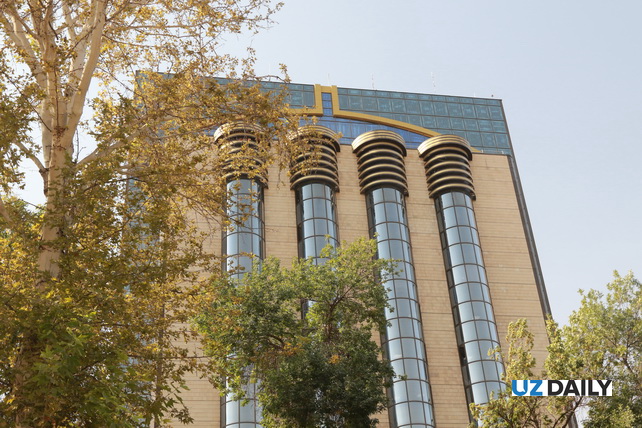
Central Bank: Wages in Uzbekistan Rose 19% Nominally, Migrant Remittances Reached US$5.7 Billion
Tashkent, Uzbekistan (UzDaily.com) — Uzbekistan’s labor market in the third quarter of 2025 showed sustained growth in employer activity and rising wages, according to the Central Bank of the Republic of Uzbekistan.
The regulator reports that the supply of available jobs continued to expand, while job seeker activity slightly decreased, although the number of posted resumes remained high. Specifically, the number of vacancies published by enterprises in the third quarter increased by 3.3% compared to the same period last year. The largest share of vacancies was in trade (17.9%), catering (17.1%), and manufacturing (17.0%).
“The share of entrepreneurs planning to increase workforce in the next three months reached 33.9% in July–August, up from 30.2% in the second quarter, but fell to 30.8% in September due to seasonal factors. At the same time, the share of companies planning staff reductions grew from 8.7% to 12.7%, mainly in construction (16.4%) and trade (25.6%),” the Central Bank notes.
The regulator also highlighted that Uzbekistan’s Beveridge curve has shifted vertically to the left, indicating economic growth and increased pressure on the labor market. Falling unemployment is accompanied by rising demand for labor, and the vertical shift of the curve is a sign of an economy in an expansion phase.
The third quarter saw notable growth in both nominal and real wages. Nominal wages rose by 19.2%, while real wages increased by 9.1%, with the average monthly salary reaching 6.2 million soums. The highest earnings remained in finance and insurance, as well as ICT, at 16.8 million and 15 million soums, respectively. In construction, real wages fell by 0.1%. By region, the largest growth was recorded in Samarkand (14.6%), and the smallest in Andijan (2.9%).
Compared with other countries in the region, Uzbekistan’s real wage growth was significant: the average for Central Asian countries was 4.4%, including some Caucasus countries — 3.3%, whereas Uzbekistan achieved 9.1%. Strengthening of the national currency against the US dollar raised the minimum wage in dollars to US$103, exceeding the level in Georgia.
The Central Bank also reported an increase in remittances from labor migrants. In the third quarter, they amounted to US$5.7 billion, up 18.5% from last year. The fastest growth was observed in transfers from the Baltic states and other regions, excluding the US, Russia, Europe, and Asia, with growth up to 40%. Labor migration flows continue to diversify: the main flow remains to Russia, but the number of Uzbek migrants in South Korea, Turkey, the Baltic states, the US, and other regions is rising.
“Third-quarter data confirm a trend of sustained employment growth, rising household incomes, and diversification of labor migration routes, creating conditions for further stabilization of the domestic labor market and increasing external financial inflows,” the Central Bank of Uzbekistan concludes.