Stay up to date with the latest news
Subscribe to our telegram channel

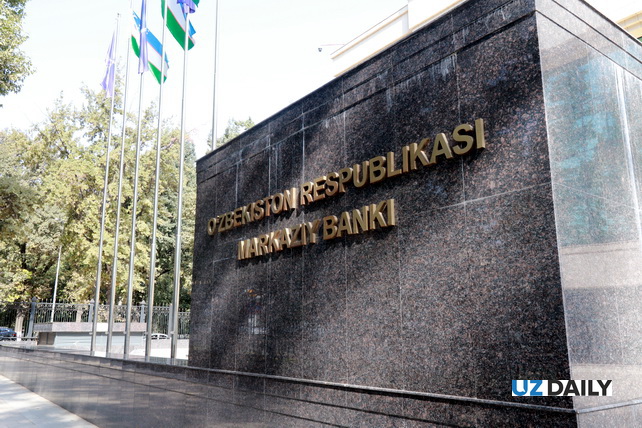
Central Bank of Uzbekistan Updates Operational Mechanism to Stabilize Liquidity
Tashkent, Uzbekistan (UzDaily.com) — The Central Bank of the Republic of Uzbekistan (CBU) significantly reconfigured its operational mechanism in Q3 2025 to enhance the effectiveness of monetary policy.
According to the CBU’s latest report, strategic changes—including replacing the key liquidity absorption instrument and reforming the UZONIA benchmark calculation—have allowed for more precise targeting of short-term interest rates.
Despite a continuing liquidity surplus in the banking system, which remained above the level seen at the beginning of the year, the CBU successfully stabilized the market.
The average systemic liquidity in Q3 amounted to 21.4 trillion soums, down 18.6% from 26.3 trillion soums in Q2. The decrease was primarily due to the seasonal rise in demand for cash, which absorbed 3.3 trillion soums of liquidity.
Switching Instruments: From Deposits to Bonds
A key operational change, effective August 1, 2025, was the replacement of 1-week deposit auctions with the issuance of 1-week CBU bonds as the main instrument for absorbing excess liquidity.
This measure aims to securitize the primary absorption tool, increasing its attractiveness and enabling more efficient allocation of banks’ surplus funds.
During Q3, the CBU issued 7-day bonds totaling 104.6 trillion soums with an average yield of approximately 14%.
"This change increased demand for monetary policy operations, which in turn ensured that money market rates remained within the corridor and closer to the key policy rate," the report notes.
UZONIA: A New Market Benchmark
To more accurately reflect the cost of short-term market resources, the CBU also revised the methodology for calculating the UZONIA benchmark (short-term money market rate) starting from 1 August 2025.
The index is now calculated based on overnight REPO transactions rather than interbank overnight deposits.
The results were immediate: the UZONIA rate, which at the start of the quarter hovered near the lower end of the interest rate corridor (average 12.8% in July), moved closer to the key rate by the end of the quarter (average 13.5% in September), demonstrating a strengthened monetary policy transmission mechanism.
Government Influence and Falling Rates on State Deposits
Government operations continued to exert a significant liquidity-increasing effect on the banking sector, totaling 12.2 trillion soums in Q3—a 30% decline compared to Q2.
The main contribution came from operations through the Unified Treasury and budget accounts (13.7 trillion soums), related to payroll, pension payments, and temporary placement of free funds by budget organizations.
Placement of free budget funds in term deposits via commercial bank auctions amounted to 5.7 trillion soums.
Notably, average interest rates on these deposits showed a downward trend, falling from 17.5% in July to 15.7% in September, indicating a lower cost of funding for commercial banks due to state resources.
Additionally, the Ministry of Economy and Finance issued government securities totaling 6.3 trillion soums in Q3, with outstanding securities reaching 46.7 trillion soums as of 1 October 2025.
Yields on these bonds also showed a slight downward trend, stabilizing at 14.6% in September (compared to 14.7% in July).
Outlook for Q4
The CBU expects the liquidity surplus in the banking system to persist in Q4 2025.
Government operations are likely to remain liquidity-enhancing (due to higher expenditures), while continued growth in cash demand will act as the main liquidity-constraining factor.
Further issuance of government securities and CBU bonds is expected to boost activity in the primary, secondary, and interbank REPO markets.